
Pick up a packaged food and turn it over. Before the first bite, its ingredient list begins telling a story: what the product contains, how familiar those ingredients feel, and whether it fits your expectations. This is where clean label has its appeal. It offers the promise of food that is easier to understand, with ingredients consumers can recognize and reasons for using them that manufacturers can explain.
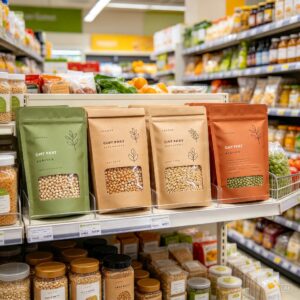
But what actually qualifies? Clean label has no single, accepted legal or scientific definition. The Institute of Food Technologists describes it as a consumer concept, commonly associated with recognizable ingredients and simpler formulations. Depending on the shopper or market, it may mean avoiding artificial colors, flavors or preservatives, choosing familiar pantry ingredients, or wanting greater transparency about processing. These expectations overlap, but they are not interchangeable.
The appeal is more than packaging language. In a 2021 survey of 1,000 American adults, the International Food Information Council found that nearly two-thirds said ingredients had at least a moderate influence on food and beverage purchases. For buyers, that suggests a useful opportunity: make the ingredient story accessible, then support it with specific information rather than a broad promise.
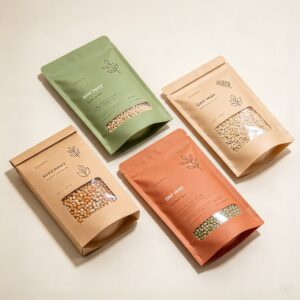
A short list, however, is not automatically a nutritional advantage. Consumers still need to consider the product’s overall composition, including sodium, sugar and portion size. An unfamiliar ingredient name also does not establish that an ingredient is harmful. Clean label should help people understand their food, rather than encourage them to judge safety by pronunciation.
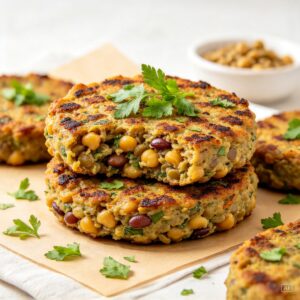
Rose-NRG illustrates how this conversation can connect to everyday meals. The Israeli manufacturer’s vegan, gluten-free range includes falafel, legume patties and vegetable fritters, made without added sugar or preservatives. Chickpeas, lentils, beans, vegetables, herbs and spices provide a straightforward starting point for explaining what goes into each recipe.
Transparency also means discussing the complete formulation. Some Rose-NRG recipes include xanthan gum as a stabilizer, as shown in its catalog. Its presence highlights why clean label is better treated as an approach to formulation and communication than an absolute claim that every product contains only kitchen cupboard ingredients.
For retailers and foodservice buyers, the strongest message is therefore specific: name the main ingredients, explain relevant processing, and substantiate individual claims. When supported by clear product information and enjoyable food, clean label can give consumers something more useful than a reassuring phrase: a clearer basis for choosing what they want to eat.