
Ready-to-drink cocktails existed long before the pandemic, but they were often treated as a secondary alternative to drinks prepared by professional bartenders. COVID-19 changed that position almost overnight.
When bars and restaurants closed, consumers moved their drinking occasions home. Supermarkets and online stores became the primary places to purchase alcohol, while shoppers looked for products that could deliver a complete experience without requiring multiple spirits, mixers, equipment or cocktail-making skills.
RTD cocktails provided an obvious solution: chill, open and serve.

The At-Home Drinking Boom
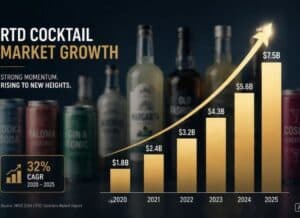
The effect was immediate. NielsenIQ reported that US off-premise RTD sales reached approximately $8.7 billion in 2020. In 2021, sales rose by another 11% to $9.6 billion, suggesting that demand continued even after the first pandemic-driven surge.
In 2021, IWSR forecast annual RTD growth of approximately 15% between 2020 and 2025 across ten leading markets. By comparison, the total alcoholic beverage market was expected to grow by only around 1% annually.
COVID clearly accelerated the category—but it does not fully explain its continued success.
Why the Category Survived
As bars reopened, consumers did not abandon bottled and canned cocktails. They had discovered benefits that remained relevant: convenience, predictable flavor, portability and a lower cost than ordering cocktails at a bar.
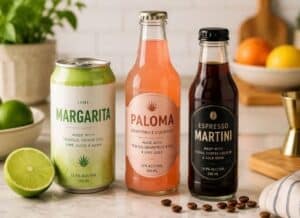
RTDs also made experimentation easier. Instead of buying several full-sized bottles, consumers could try a Margarita, Paloma or Espresso Martini in a single serving. Larger formats offered a practical option for dinners and home entertaining.
Consequently, the category became part of regular retail behavior. According to IWSR, RTDs increased their share of total US alcohol servings from 4% in 2019 to 8% in 2024. That share is expected to reach 9% by 2029.
From Simple Drinks to Real Cocktails
The category is also changing. Early growth was strongly associated with hard seltzers and simple flavored drinks. Today, buyers are seeing more spirit-based cocktails, recognizable recipes, premium ingredients and products designed around specific occasions.
In 2025, US sales of premixed cocktails—including spirits-based RTDs—reached $3.8 billion, an increase of 16.4% over the previous year. Their market share has more than doubled since 2021, according to the Distilled Spirits Council.
For retailers and importers, this creates opportunities beyond novelty. Buyers can evaluate products according to spirit base, flavor quality, serving format, shelf life, packaging, price, regulatory requirements and private-label potential.
COVID gave bottled cocktails their breakthrough moment. What turned them into a permanent category was their ability to provide something consumers still want: a recognizable cocktail experience that is affordable, consistent and ready whenever the occasion begins.