
Across global food markets, a clear shift is taking place. Consumers are moving away from highly processed foods and rediscovering heritage staples that have been part of everyday diets for generations. Products once considered basic or traditional are now being re-evaluated as premium, nutritious, and culturally meaningful.
According to market data, the global ancient grains category is growing at an estimated 7–8% annually, driven by demand for whole grains, minimally processed ingredients, and foods with a clear origin story. Freekeh, a smoked green wheat traditionally consumed across the Middle East, fits directly into this trend. Naturally high in fiber and protein, it offers both nutritional value and distinctive flavor.
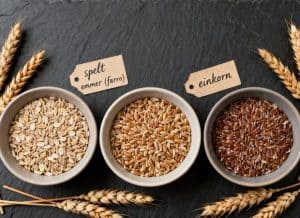
Beyond freekeh, a growing number of ancient grains are being rediscovered for their versatility in both cooking and baking. Spelt and emmer (farro) are widely used in breads, pastries, and pasta thanks to their balanced gluten structure and nutty flavor. Einkorn, one of the earliest cultivated wheats, is valued for its lower gluten strength and is commonly used in rustic breads, cakes, and cookies.
Alongside grains, demand for traditional seasonings and legumes is also rising. Products like za’atar, lentils, chickpeas, and roasted nuts are increasingly viewed as core components of modern, health-focused kitchens rather than niche ethnic items.
Producers that specialize in these categories are uniquely positioned. By focusing on staples such as freekeh, grains, legumes, and nuts, and by maintaining traditional processing methods while scaling production, manufacturers can serve both local and international markets seeking authenticity and reliability.
Brands like Nachaley, producing freekeh, grains, legumes, za’atar, and premium roasted nuts, demonstrate how heritage foods can meet contemporary demand. Their products are consumed daily across diverse communities, proving that traditional staples are not a trend, but a long-term foundation of modern food culture.