
Gluten-free has evolved far beyond a dietary restriction into a high-growth, expectation-driven category. Today’s consumers and buyers are no longer satisfied with “free-from” claims alone. According to the Specialty Food Association, products must now deliver on taste, texture, transparency, and function simultaneously.
This transformation aligns with broader macro trends shaping 2026. The SFA’s “SenseMaxxing” trend highlights a growing demand for full sensory experiences, flavor, texture, and visual appeal that feel indulgent and complete, not compromised. In parallel, “Honest Processing” reflects a preference for products where production is clear, purposeful, and trusted
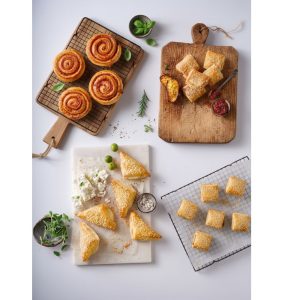
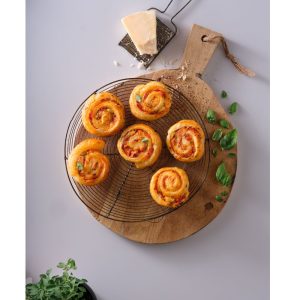
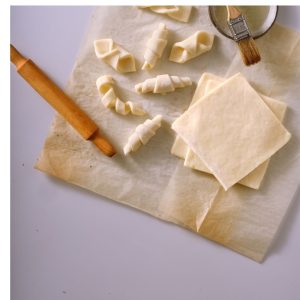
Against this backdrop, Israeli manufacturers are bringing forward solutions that are both technically advanced and commercially relevant, many of which will be showcased at the upcoming Fancy Food Show.
Ariel Bakery represents one end of this evolution. Its expertise was not born of trend but of necessity. In Israel, the strict requirements of Passover, which exclude traditional flour, have long driven innovation. Ariel has transformed this constraint into a technological advantage, developing gluten-free baked goods that closely replicate, and often surpass, the experience of conventional products.
Nowhere is this more evident than in their puff pastry. Exceptionally thin, almost paper-like layers create a laminated structure that bakes into a remarkably crisp and flaky texture. While gluten-free formulations often struggle to achieve crunch, Ariel’s puff pastry delivers a level of crispness that stands out even against traditional benchmarks.
The portfolio includes mushroom, potato, cheese, and pizza bourekas, puff pastry squares, malawach, alongside gluten-free muffins in classic flavors such as vanilla and chocolate.
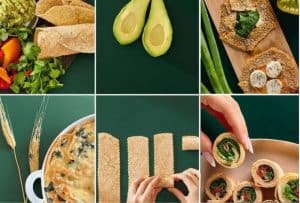
Alongside this, Mima Foods offers a complementary approach, one rooted in clean-label innovation. Their tortillas and pizza bases are made from sprouted legumes, using simple, transparent production methods with no added flavorings or artificial ingredients. Naturally gluten-free due to the absence of wheat, these products deliver plant-based protein and essential minerals, aligning with the growing demand for functional, better-for-you staples.
For buyers visiting the show, the combined offering highlights the direction of the category: products that deliver on sensory quality, clean ingredients, and operational flexibility. Both ranges are suitable for retail and foodservice applications, with scalable production and private label capabilities.
Together, they reflect a broader shift, where gluten-free is no longer defined by restriction, but by innovation, quality, and opportunity.
Across all categories, the emphasis stays the same: reliable quality, consistent results, and products that don’t feel like substitutes.
For buyers looking to expand or refine their gluten-free offering, this is a category worth paying attention to.