
Cocktails are no longer limited to bars or special occasions. Ready-to-drink cocktails—commonly known as RTDs—are giving consumers an easier way to enjoy Margaritas, Palomas, Espresso Martinis and other popular drinks at home.
But convenience alone does not explain the category’s growth. RTD cocktails are evolving from simple premixed drinks into carefully positioned retail products, designed for different consumers, occasions and price points.
The Supermarket Becomes the New Cocktail Bar
Preparing cocktails at home traditionally requires several bottles, mixers, equipment and some knowledge of recipes. RTD products remove these barriers by offering a consistent drink that can be chilled, opened and served.
They also respond to the rising cost of going out. Consumers can recreate part of the cocktail-bar experience at home without paying bar prices or purchasing ingredients they may rarely use.
The result is a category that works for casual evenings, dinners, parties, picnics and spontaneous entertaining.
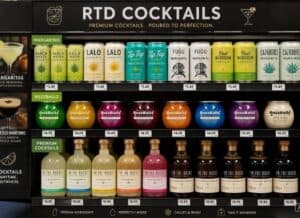
One Category, Different Occasions
Not every RTD cocktail serves the same purpose. A single-serve can may be designed for portability and casual drinking, while a larger bottle can offer several servings for a dinner or gathering. Premium bottled cocktails may emphasize sophisticated recipes and presentation, while brightly colored products can target parties and social occasions.
Successful brands define the occasion clearly. Consumers should immediately understand whether a product belongs at the dinner table, in a picnic basket or at a celebration.
What Does “Bar Quality” Mean?
Many brands describe their products as “bar quality,” but buyers need to look beyond the phrase.
The spirit base, sweetness, acidity, flavor balance and quality of the juices or extracts all influence the experience. Serving instructions matter as well. Some products are designed to be consumed directly from the package, while others benefit from ice, glassware or a simple garnish.
A strong RTD product should offer consistent flavor while making the preparation process genuinely easy.

Packaging Sells the Experience
In this category, packaging is part of the product. Bottle shape, color, graphics and serving size help communicate the drinking occasion and distinguish the product on a crowded shelf.
BuzzBallz, for example, has attracted attention through its colorful spherical packaging and playful identity. Other brands use glass bottles and restrained graphics to create a more premium impression.
Effective packaging must also remain practical: easy to chill, carry, open, display and understand.
What Buyers Should Consider
Importers and retail buyers should evaluate more than flavor. Important considerations include shelf life, serving size, packaging efficiency, price positioning, labeling, local alcohol regulations and the amount of preparation required.
Private-label buyers can also adapt flavors, bottle sizes, graphics and product positioning to specific retail audiences.
The most successful ready-to-drink cocktail does not necessarily reproduce every detail of a drink made by a professional bartender. It succeeds because it understands exactly who will drink it, on what occasion, from which package and at what price.