
Across the global culinary world, chefs are rediscovering what authentic wasabi can bring to the table — and they’re increasingly moving away from common substitutes. The global wasabi market is expected to grow from about $536 million in 2025 to over $1 billion by 2034, with Asia-Pacific alone accounting for roughly 38% of the market share, and Japan representing around 18% of that segment.
For decades, the vast majority of restaurants — especially outside Japan — relied on wasabi pastes and powders made from horseradish, mustard, and colorings, because the real wasabi root is difficult and costly to cultivate. In fact, studies show that over 95% of wasabi served in restaurants is not authentic wasabi, but imitation condiments.
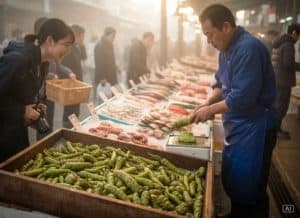
However, a shift is underway: high-end and modern kitchens are embracing fresh wasabi root for its unique flavor profile and sensory impact. Unlike powdered or pre-made pastes, freshly grated wasabi delivers a layered taste — with bright heat, vegetal notes, and floral sweetness — that quickly dissipates if not used immediately, which encourages chefs to prepare it on site.
This trend is especially noticeable in premium sushi, fusion, and fine-dining kitchens where flavor nuance and ingredient authenticity matter. Chefs increasingly prioritize ingredient quality over convenience, choosing fresh roots when available, even though they require cold-chain handling and careful use.
While paste and powdered wasabi still dominate much of the market due to convenience and cost, the growing demand for authentic wasabi — especially in foodservice segments — highlights a broader push toward real, artisanal ingredients that elevate the dining experience.