
Across Europe and beyond, small and mid-sized distilleries specializing in fruit schnaps and liqueurs are gaining renewed attention from both trade buyers and consumers. Traditionally rooted in rural regions, these producers are now positioned at the intersection of three strong trends: demand for authentic, place-based products; interest in lower-sugar, flavor-forward spirits; and the growing appreciation for agricultural diversity and local fruit varieties.
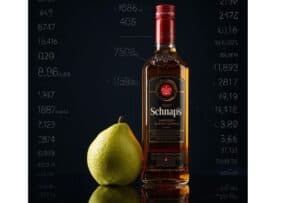
Fruit-based schnaps and eaux-de-vie are typically distilled from a single fruit-plums, apricots, pears, apples, cherries, or aromatic grapes such as Gewürztraminer-without added sugar or flavoring. This makes them extremely transparent to quality: the ripeness, variety, and origin of the fruit are immediately apparent in the glass. Distilleries that invest in close relationships with farmers, careful fermentation, and small-batch distillation are able to produce spirits with high aromatic intensity and a clear sense of terroir, which appeals strongly to sommeliers, specialty retailers, and cocktail bars.
In parallel, fruit liqueurs are evolving from simple sweet cordials into more sophisticated, cocktail-ready products. Many modern distilleries now build their liqueurs on a base of real fruit distillate and natural fruit extracts, using sugar more sparingly and focusing on balance rather than pure sweetness. Combinations such as lemon and ginger, red grapefruit and hops, peach and chili, or passion fruit and tropical notes are designed almost like ready-made cocktail components. This allows bartenders and home consumers alike to create complex drinks with minimal effort.
From a market perspective, fruit schnapps and liqueurs sit at a valuable crossroads: they are premium but still approachable, artisanal yet scalable, and highly adaptable to different drinking cultures. For buyers, they offer a way to differentiate portfolios with products that have both a strong story and clear functional value in cocktails, pairings, and after-dinner service. For producers, they represent an opportunity to turn local agriculture and traditional know-how into exportable, high-value brands.