
For several years, adding protein was one of the clearest ways to position a food product as functional and better for you. But as protein becomes common across snacks, bakery products and prepared foods, it is increasingly an expectation rather than a point of difference.
Today’s buyers are looking for products that combine several advantages: protein and fiber, enjoyable texture, recognizable ingredients, transparent processing and everyday convenience.
Protein Is No Longer the Whole Story
Demand for protein remains strong, but the conversation is expanding toward nutrient density. Consumers also want fiber, satiety and ingredients with a clear nutritional purpose—especially as changing eating habits place greater emphasis on getting more value from every serving.
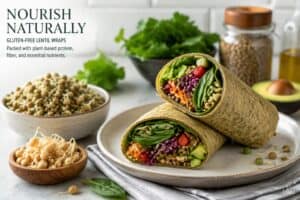
Mima reflects this approach through products made from sprouted lentils and chickpeas, combining plant-based protein and fiber in practical formats. Its gluten-free lentil wraps, for example, provide five grams of protein per wrap.
Nature Way brings protein into everyday snacking through its pea-protein-based bars. Their indulgent flavors help position the products beyond specialist sports nutrition, demonstrating that nutritional value must still be accompanied by taste and enjoyment.
Texture Becomes a Product Benefit
Texture is becoming a central part of food innovation. Research cited by Food Business News found that 43% of global consumers enjoy products with unusual textures.
The Specialty Food Association has named SenseMaxxing: vivid food experiences created through flavor, texture and appearance—its 2026 Trend of the Year.
Mahrum’s crisp kadaif cups transform a traditional pastry into an attractive format that can be filled and served within minutes. Ariel Bakery’s gluten-free puff pastry provides the flaky, layered texture often missing from gluten-free bakery products.
J&G Pecans creates contrast through crunchy snacks and creamy nut spreads, while Kapulski combines coatings and fillings to make texture part of the product experience. In each case, texture gives consumers a reason to try and remember the product.
Honest Processing Builds Trust
Consumers increasingly want to understand how food is made, not simply see vague words such as “natural” or “clean” on the package.
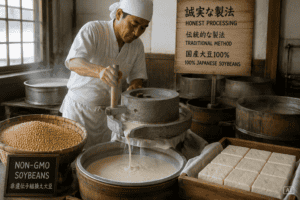
The Specialty Food Association calls this trend Honest Processing. It recognizes purposeful processes such as fermentation, sprouting, dehydration, and traditional grinding, while encouraging manufacturers to explain why each process is used.
Wyler Farm is a strong example. Its tofu is made from selected non-GMO soybeans using traditional grinding methods, without preservatives or textured and reconstituted vegetable proteins. This gives buyers a concrete story: real tofu, recognizable ingredients, and an easy-to-explain process.
Mima offers a similar advantage through sprouting, connecting modern nutritional benefits with a familiar, traditional preparation method.
Convenience Without Compromise
Consumers still want food that is quick and easy, but they are less willing to sacrifice flavor, nutrition or ingredient quality.
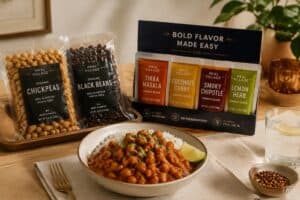
Kitov’s vacuum-packed legumes and grains remove the need for soaking and prolonged cooking. Red Spoon provides sauces in individual portions, while Senelach adapts hummus to personal, convenient eating occasions. Mahrum’s kadaif cups make it possible to assemble an impressive dish within minutes.
These products succeed by making familiar foods easier to prepare, carry, or serve without removing the qualities that make them appealing.
What This Means for Importers and Private-Label Buyers
High food prices have made value increasingly important. According to IFT’s 2026 trends analysis, private-label food and beverage sales reached an all-time high in 2025, creating opportunities for retailers to offer differentiated products at competitive prices.
The next successful better-for-you product does not need to invent a new category. It needs to connect meaningful nutrition, appealing texture, understandable processing, and a format suited to the local market.
Export IL helps importers and private-label buyers identify suitable products and adapt them for their markets. This support can include product selection, sampling, package size and graphic adaptation, labeling, regulatory compliance, certifications, and shipping documentation.
Protein remains part of the formula, but it is no longer the whole formula. The products most likely to stand out are those that bring nutrition, texture, transparency and convenience together in one credible proposition.